



Cheetahstand
C10 Auto Stand - 10 foot
C10 Auto Stand - 10 foot
Couldn't load pickup availability
More height. More capacity. Same fast Cheetah Stand workflow.
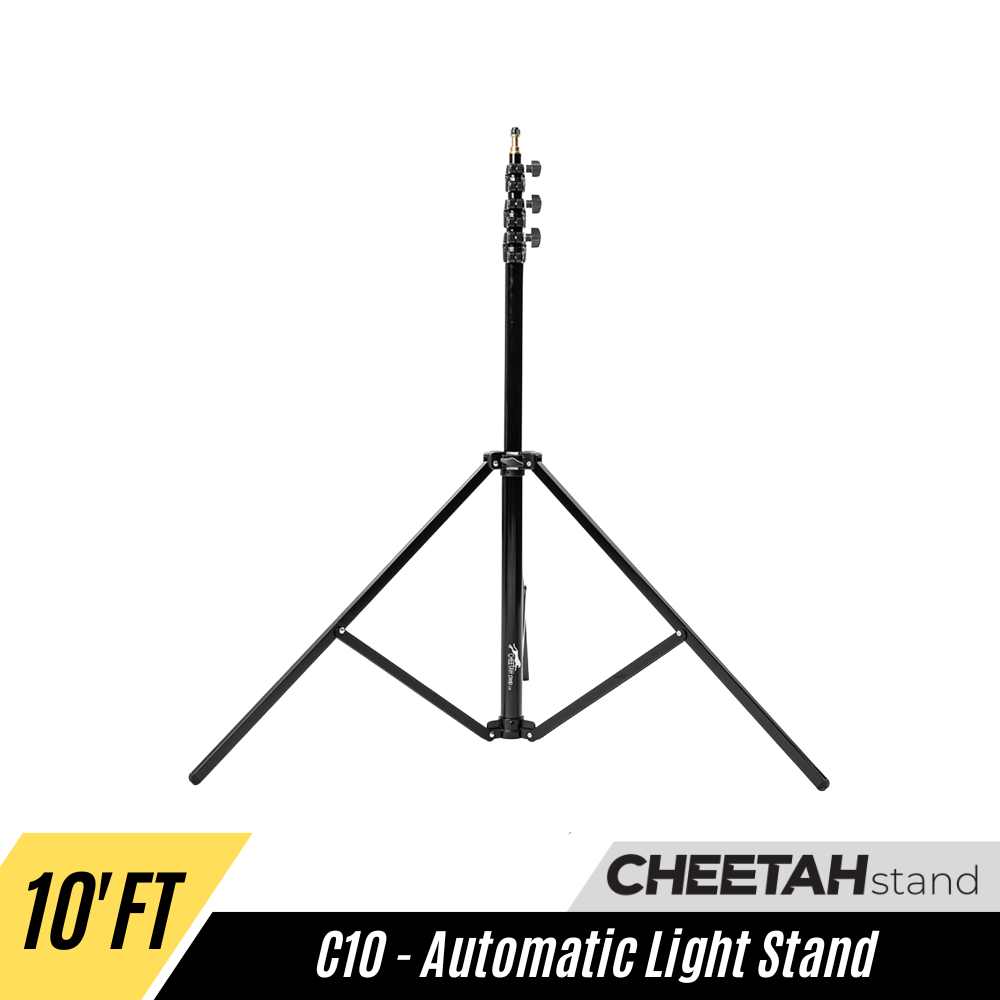
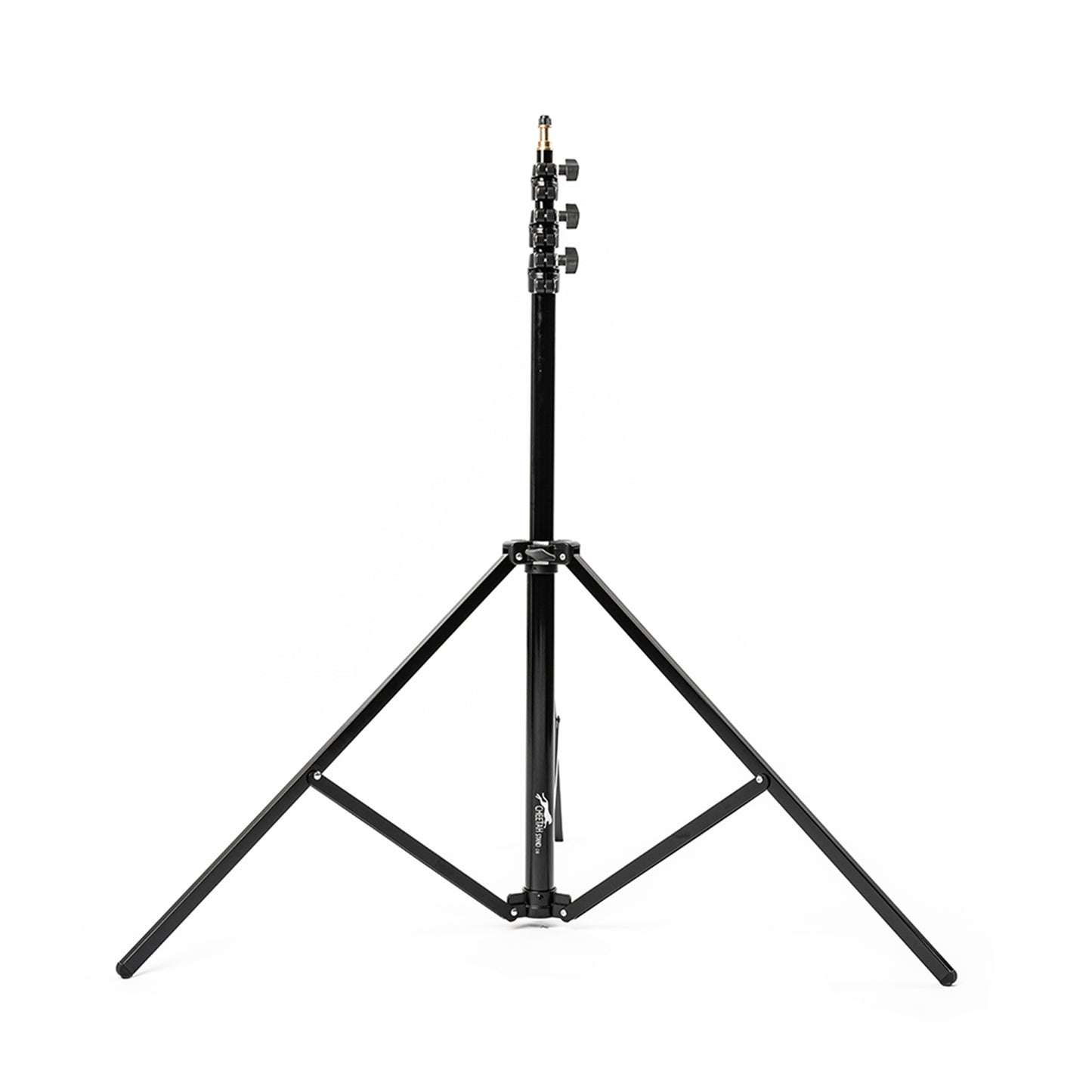
The Cheetah Stand C10 Auto Stand combines our signature automatic leg system with a taller, stronger design for photographers who need more from their lighting setup.
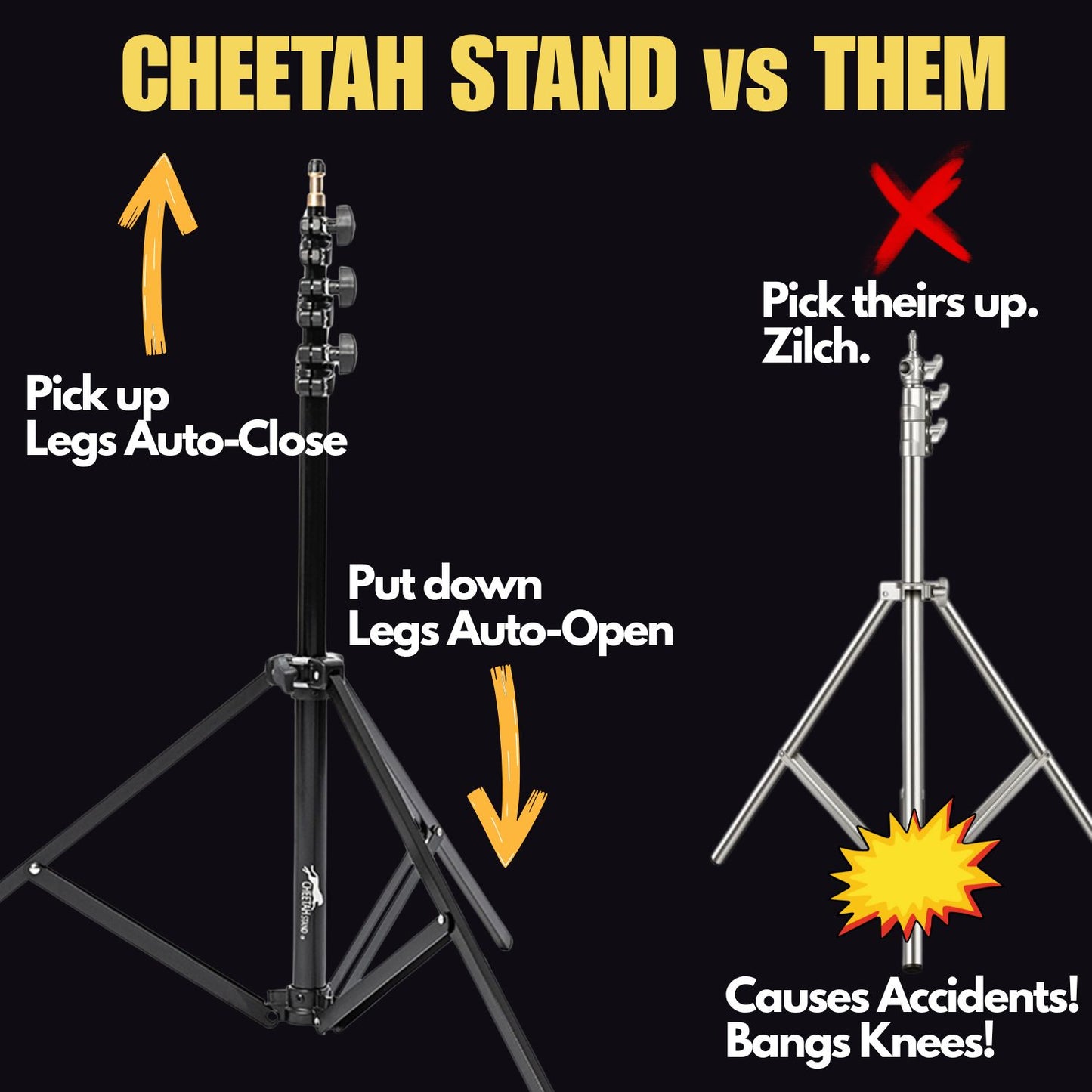
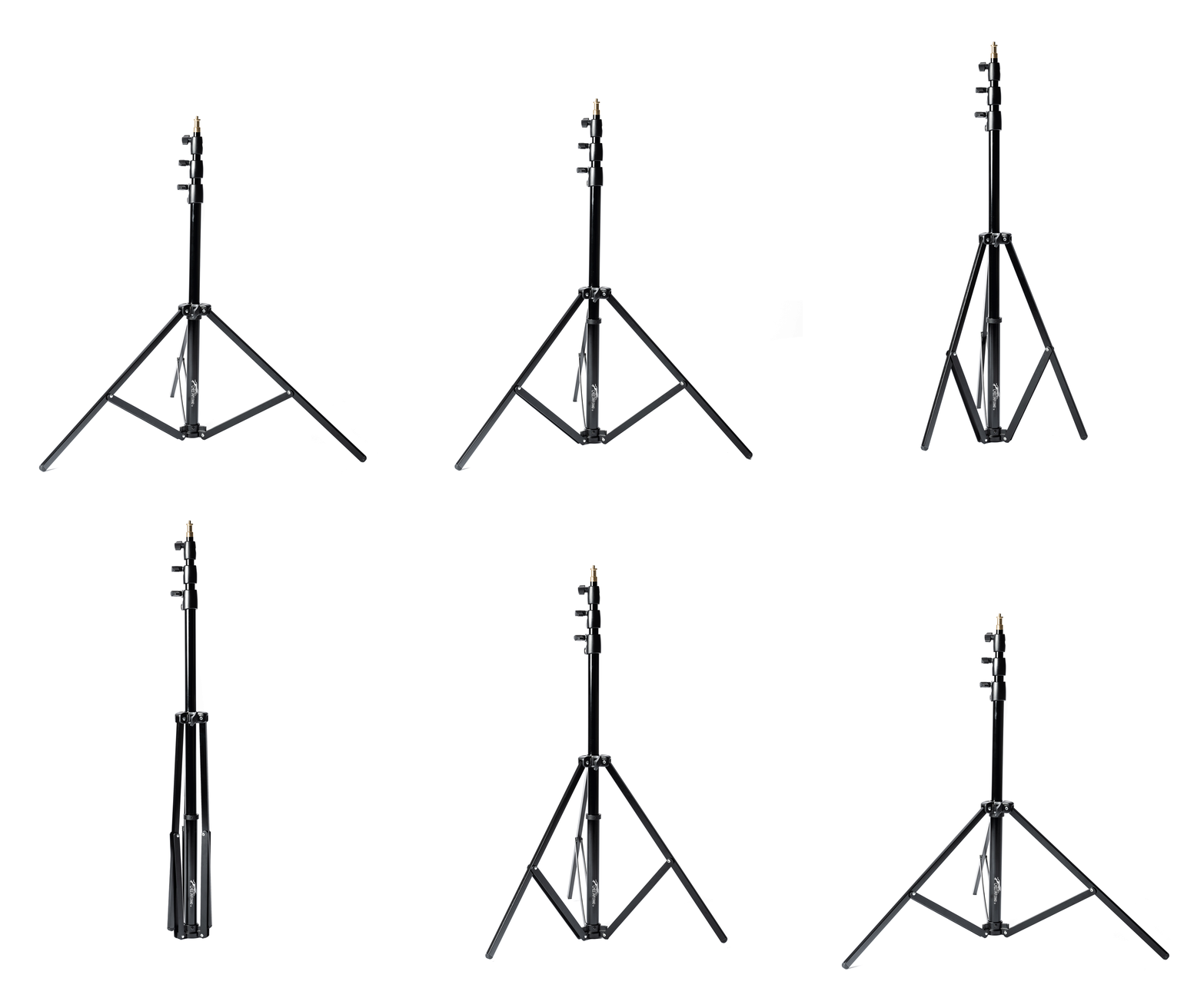
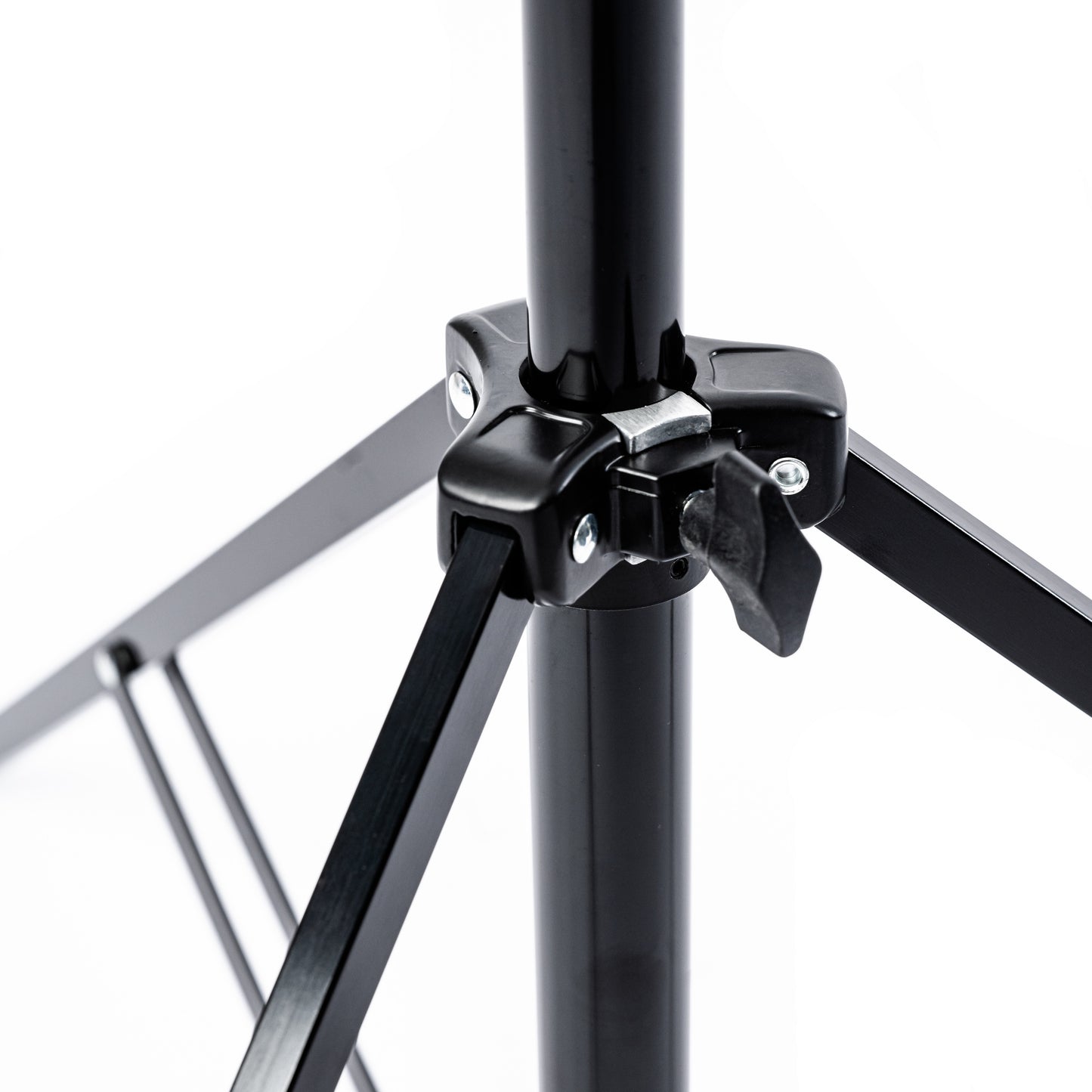
Simply lift the stand and the legs automatically fold in. Set it back down and the legs automatically deploy. No bending over. No manually folding and unfolding tripod legs. Just pick it up, move your light, and keep shooting.
With a 10-foot maximum height and an 10 lb load capacity, the C10 is an excellent all-around choice for off-camera flash, compact strobes, LEDs, softboxes, umbrellas, and location lighting.
WHY YOU'LL LOVE IT
⚡ AUTO-OPENING & CLOSING LEGS
This is what makes a Cheetah Stand different.
Pick it up — the legs automatically close.
Set it down — the legs automatically open.
Move your lighting from one position to another in seconds without stopping to collapse and reopen the legs.
For photographers constantly adjusting lights throughout a shoot, those saved steps add up fast.
📏 10 FEET OF HEIGHT
Need to get your light up and out of the way?
The C10 extends to a full 120" / 10 feet, giving you additional height for elevated key lights, hair lights, rim lights, group photography, and lighting larger areas.
Its approximately 36" minimum height also gives you plenty of flexibility for lower lighting positions.
💪 10 LB LOAD CAPACITY
The C10 supports lighting setups up to 10 lbs, making it a great step up from the smaller C8 when you're working with larger lights or modifiers.
It's an excellent match for equipment such as:
- Godox AD200 - AD300 - AD400
- Westcott FJ200 - FJ250 - FJ400
- Profoto A2 - B20
- Speedlights
- Compact strobes
- LED lights
- Umbrellas
- 24"–36" softboxes
- Small to medium modifiers
For larger strobes and heavier modifiers, consider one of Cheetah Stand's Heavy Duty Auto Stand models.
📸 MADE FOR FAST-PACED SHOOTS
The C10 is built for photographers who don't stay in one place.
Perfect for:
- Weddings
- Events
- Sports portraits
- On-location portraits
- Headshots
- School photography
- Corporate photography
- Real estate photography
- Studio work
- Content creation
Lift the stand to move through crowded rooms, narrow aisles, or busy event spaces. Set it down and you're ready to shoot again.
⚖️ STRONG WITHOUT THE BULK
At only 4.3 lbs, the C10 gives you additional height and carrying capacity while remaining easy to transport and reposition throughout the day.
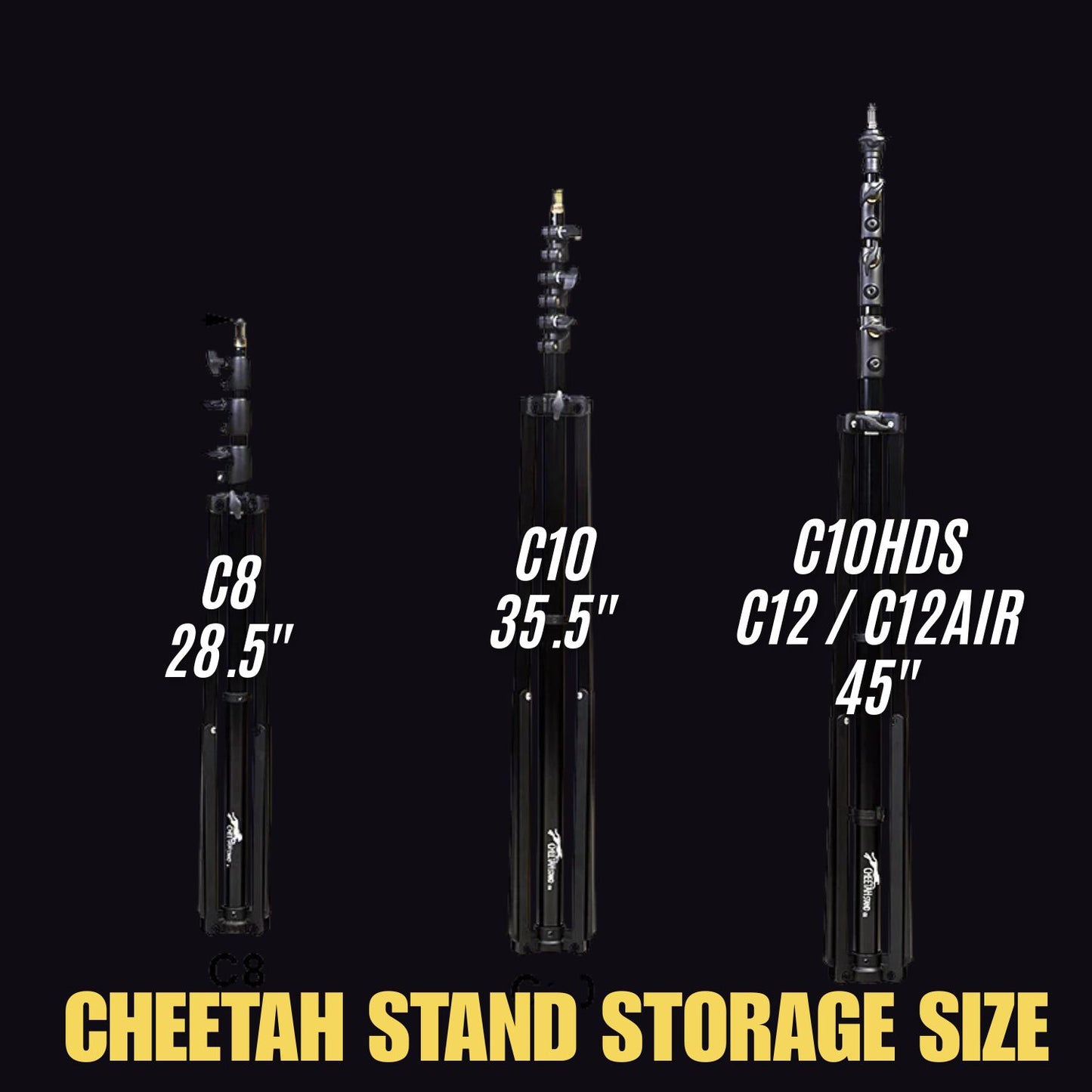
The 38" footprint provides a stable base when deployed, while the stand collapses down to just 35.5" for transportation and storage.
LESS BENDING. FASTER WORKFLOW.
Traditional light stands make you stop what you're doing every time you need to reposition a light.
Bend down. Fold the legs. Move the stand. Open the legs. Reposition everything.
The C10 changes the workflow.
Lift it. Move it. Set it down. Keep shooting.
At weddings, events, sports sessions, and location shoots where lights may be moved dozens of times, the Cheetah Stand automatic leg system helps you spend less time managing equipment and more time creating.
BUILT TO KEEP WORKING
Cheetah Stand supports the C10 with replaceable maintenance parts, helping you maintain your stand instead of replacing the entire stand when individual components wear or get lost.
Professional equipment should be built to work—and built to be maintained.
C10 SPECIFICATIONS
Maximum Height: 120" / 10 ft
Minimum Height: 36"
Closed Length: 35.5"
Footprint: 38"
Stand Weight: 4.3 lbs
Maximum Load: 10 lbs
Leg System: Automatic opening and closing
BEST FOR
200–400Ws Strobes • Speedlights • LEDs • 24"–36" Softboxes • Umbrellas • Weddings • Events • Portraits • Location Photography
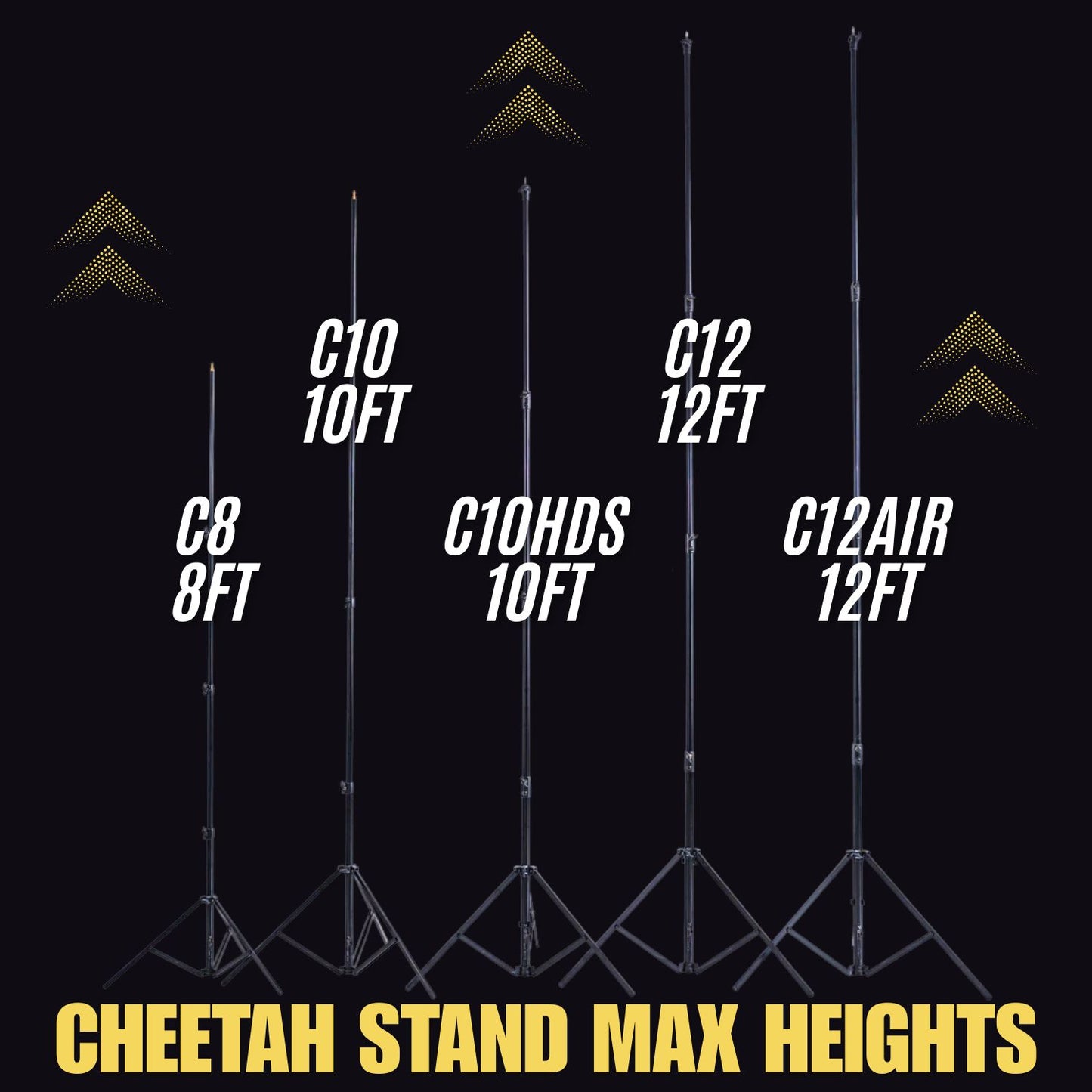
WHICH CHEETAH STAND IS RIGHT FOR YOU?
C8 Auto Stand
Compact and lightweight. Best for speedlights, small lights, umbrellas, and lightweight modifiers. 8' max height with 32" footprint.
C10 Auto Stand
More height and carrying capacity. A versatile choice for compact strobes and small-to-medium modifiers. 10' max height with 38" footprint.
C10 HDS / Heavy Duty Auto Stand with Springs
Built for larger strobes, larger modifiers, and heavier professional lighting setups. Heavy duty springs to protect your light in case of an accidental slip. 10' max height with 40" footprint.
C12 / Heavy Duty Auto Stand
Built for larger strobes, larger modifiers, and heavier professional lighting setups. Widest footprint for max stability. 12' max height with 42" footprint.
C12 AIR / Heavy Duty Auto Stand with Air Cushions
Built for larger strobes, larger modifiers, and heavier professional lighting setups. Widest footprint for max stability. Air cushioned for assisted lowering of heavier setups. 12' max height with 42" footprint.
THE ORIGINAL CHEETAH STAND EXPERIENCE
The C10 gives you the height and capacity of a professional 10-foot light stand with the workflow that made Cheetah Stand famous.
Pick it up. Move it. Set it down. Keep shooting.
WHAT'S INCLUDED
1 × Cheetah Stand C10 Auto 10 ft Light Stand
Unsure on which stand you need? Use our Recommendation and Comparison tool to determine which stand works best for you and your project.
Frequently Asked Questions
1. What makes a Cheetahstand "auto" light stand so revolutionary for photographers?
2. How do Cheetah Stand auto light stands specifically enhance speed in my shooting process?
3. I'm new to artificial lighting. Are Cheetahstand auto light stands a good starting point, or are they more for pros?
4. What is the single most important feature of a good Cheetahstand auto light stand?
5. My current light stands wobble. How do auto light stands address stability concerns?
6. What kind of photographic scenarios specifically benefit from the quick setup of auto light stands?
7. Can I mount heavy studio strobes and large softboxes on an auto light stand, or are they only for smaller lights?
8. How do auto light stands contribute to a more professional image when working with clients?
9. What should I look for in terms of material construction – aluminum vs. steel – and why does it matter?
10. Are auto light stands prone to breaking down due to their more complex mechanisms?
11. What kind of maintenance is necessary to keep my auto light stand functioning perfectly for years?
12. How do auto light stands save me money in the long run, despite their potentially higher initial cost?
13. What's the biggest mistake photographers make when using any light stand, and how can I avoid it?
14. Can auto light stands also be used for other photographic accessories like reflectors or backdrops? Yes, absolutely! Auto light stands are incredibly versatile and can be used to mount a variety of other photographic accessories beyond just lights:
15. I'm ready to invest. What final piece of advice would you give me when choosing my first auto light stand?
Share



The primary reason I purchased these stands was for its self folding legs. I often lift my stands to reposition during my sessions. Always having to mindfully move so I don’t get the legs of the previous nightstand caught up. Not the case anymore, once you lift the upper portion of the stand, the legs collapse in, allowing me to move the stand without any worries. Definitely a new benchmark has been established.
Excellent product. Easy to use and solid.
Well built stand, easy to use. I have 3 now. Love them.
Cheetah dances are absolutely the best. The versatility and ease of use allows me to keep my focus on what I’m trying to create without being worried about stopping and dealing with tripod legs. The customer service has always been incredible and I am so happy to support such a wonderful business.
I have had the C8 and C12 for several years now, and now the C10 and rolling c-stand. I love the products you make and am continuously pleased with how much easier my job is on location because of them!