Skip to product information
1 of 12

Cheetahstand

Cheetah Stand Window 32x48 Window Quick Softbox

Cheetah Stand Window 32x48 Window Quick Softbox

Regular price $189.00 USD
Regular price $169.00 USD Sale price $189.00 USD
Sale Sold out

The Cheetah Stand 32x48 Window Quick Softbox is designed to mimic soft window lighting with unique window catch lights. Like our other Quick Soft Boxes, the Cheetah 32x48 Window Softbox features the Quick Release System that opens and closes the softbox like an umbrella.

The exterior is a tough, flexible material that is tear-resistant and water-resistant. The Cheetah Stand 32x48 Window Quick Softbox includes 2 layers and the egg-crate grid 2in x 2in x 2in for maximum lighting control.  The interior of the softbox is lined with Cheetah Stand exclusive, pebbled silver material that prevents hot spots in light output. 

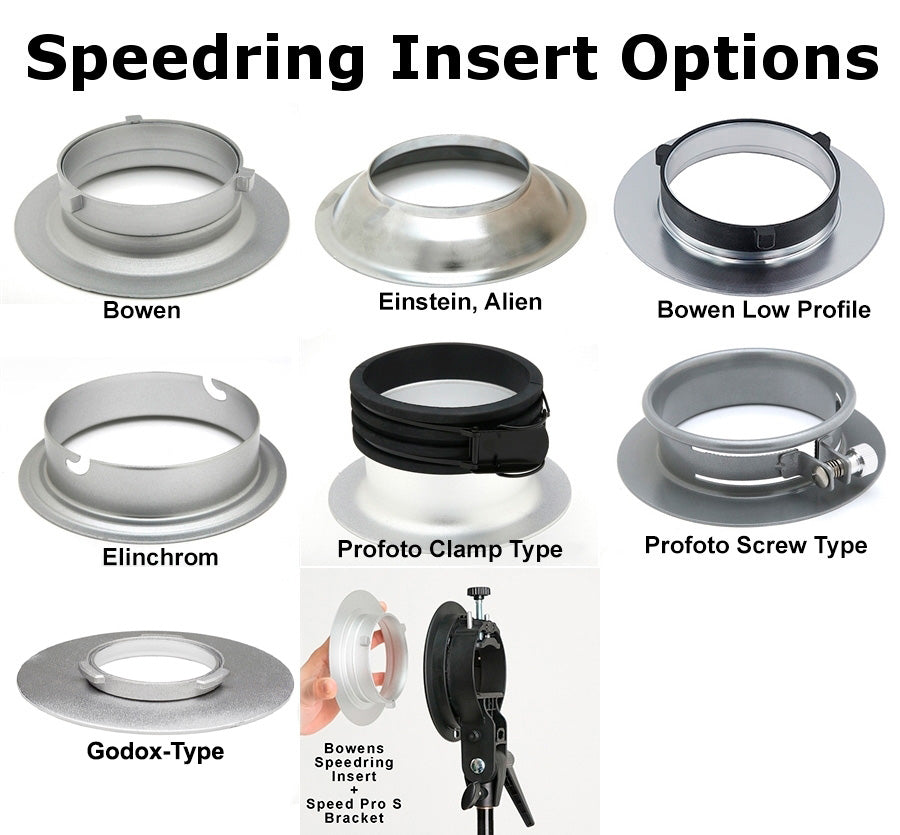
All Cheetah Stand 32x48 Quick Window Softbox is Bowens compatible for Godox and Westcott strobes while Profoto, Alienbee and Elinchrom are also compatible.

Key Features of the Cheetah 32x48 Window Softbox:

  • Innovative Quick Release Setup: The Cheetah Stand 32x48 Window Softbox uses an Umbrella Style Design for Quick Setup and Teardown.
  • Pebble Silver Lined Interior: A Cheetah Stand exclusive, the pebble silver lined interior reduces hot-spots.
  • Egg-Crate Grid:  The Cheetah 32x48 Window Softbox will include the Egg-crate grids for maximum control
  • Speed Rings: Compatible with many of the industry strobes from Godox to Profoto.

Dimensions:

Weight with accessories attached: 2.12 lb
Weight with bag: 3.11 lb
Length (when expanded): 47.25 in
Width (when expanded): 31.5 in
Depth (when expanded): 19.75 in
Folded length: 32.5 in
Folded width: 7 in

Includes:

1 Cheetah Stand 32x48 Window Quick Softbox
1 Carrying bag
1 Front diffuser
1 Inner diffuser
1 Eggcrate Grid
1 Reflector plate


Frequently Asked Questions

Your Guide to Mastering Light with Softboxes
1. What core function does a photography softbox serve in modern image-making?
A photography softbox fundamentally transforms the character of light from a harsh, direct source into something soft, diffused, and beautifully even. At its heart, it's a fabric enclosure with reflective inner surfaces and a translucent front panel. When light from a strobe or continuous lamp enters, it bounces around within this reflective chamber before passing through the diffusion material. This process spreads the light, eliminating the harsh shadows and intense highlights that direct light sources typically produce. For any photographer aiming for professional-grade results, understanding and utilizing a softbox is crucial for achieving controlled, flattering illumination that enhances textures and minimizes imperfections, mimicking the desirable quality of natural window light or an overcast sky.
2. How does a softbox for light specifically enhance the visual appeal of human subjects in portraits?
When applied to portraiture, a softbox for light is invaluable because it creates a broad, gentle light source that wraps around the subject. This wrapping effect fills in facial shadows and diminishes skin blemishes, leading to a much more flattering and natural appearance. The larger the softbox, the softer and more encompassing the light will be, producing a gradual transition from light to shadow across the face, which is universally considered more appealing. Additionally, the broad surface of a softbox produces attractive, natural-looking catchlights in the eyes, adding depth, sparkle, and a sense of life to the subject's gaze. It’s the key to achieving that coveted, soft portrait glow.
3. What elements are essential for constructing an effective softbox photography lighting setup?
An effective softbox photography lighting setup involves more than just the softbox itself; it's a system of complementary components working in harmony. You'll need a sturdy light stand capable of securely holding your softbox and light source, whether that's a powerful studio strobe, a versatile LED panel, or even a compact speedlight. A reliable trigger system is also often necessary for off-camera flash setups. Beyond these foundational elements, the quality of the softbox's reflective interior, the durability of its construction, and the efficiency of its diffusion panels are paramount. Ultimately, the most effective setup is one that's easy to assemble, stable in use, and consistently delivers the precise quality of light needed for your specific creative vision, whether in a studio or on location.
4. In what ways does a Quick Release mechanism improve the practical use of a softbox?
A Quick Release mechanism dramatically enhances the practical usability of a softbox, especially for photographers who frequently set up and pack down their gear. Traditional softbox assembly can be a tedious process involving inserting multiple rods into a speedring with considerable force. A Quick Release system simplifies this by often utilizing pre-tensioned rods or an intuitive locking system that allows the softbox to snap open or collapse in seconds. This innovation saves valuable time during shoots, reduces physical effort, and makes on-location photography much more efficient, allowing you to focus more on capturing images rather than struggling with equipment.
5. Why is the Pebble Silver Lined Interior highlighted as a superior feature in a photography softbox?
The Pebble Silver Lined Interior is celebrated in a photography softbox because of its exceptional ability to optimize light efficiency and uniformity. The unique "pebble" texture of the silver surface is not merely decorative; it’s designed to break up and scatter the light more effectively than a smooth surface. This internal scattering prevents the formation of harsh hot spots and ensures that the light is distributed more evenly across the entire front diffusion panel. The silver itself maximizes the light output from your flash or continuous light, ensuring that you get the most powerful and consistent diffused light possible, resulting in impeccably illuminated and professional-looking photographs.
6. Can a standard camera speedlight be integrated with a softbox for light, and what is needed?
Answer
Question?
Absolutely, a standard camera speedlight can be effectively integrated with a softbox for light, offering a significant upgrade to its lighting capabilities. While speedlights are compact and versatile, their bare flash can be harsh. To use one with a softbox, you'll typically need a specialized speedlight bracket or adapter that securely mounts your speedlight to the softbox's speedring. This setup allows the speedlight's output to be channeled into the softbox, transforming its direct beam into a much softer, more flattering light. This makes speedlights suitable for a range of applications, from portable portrait sessions to small product photography, providing studio-like quality in a portable package.
7. What specific artistic control does an Egg-Crate Grid offer in softbox photography?
Answer
Question?
An Egg-Crate Grid, often referred to as a fabric grid or honeycomb, is an invaluable accessory that attaches to the front of a softbox, significantly enhancing artistic control in softbox photography. Its cellular structure restricts the spread of light, effectively narrowing the beam to a more controlled area. This allows photographers to precisely direct light onto their subject while preventing it from spilling onto the background or other areas of the scene. It’s perfect for creating dramatic, high-contrast images, emphasizing specific features, or achieving a spotlight effect. The grid also helps in minimizing lens flare and maintaining deep, rich blacks in the background, adding a layer of precision to your lighting design.
8. What is the role of a Reflector Plate within a softbox, and when is its use most beneficial?
A Reflector Plate, sometimes known as an internal baffle or diffuser, plays a crucial role inside some softboxes by being positioned in front of the light source, typically before the main diffusion panel. Its primary function is to block the direct light from the bulb or flash tube and reflect it back into the softbox's inner walls. This indirect path ensures that the light undergoes an additional layer of diffusion and mixing, resulting in an even softer, more uniform output. Using a reflector plate is most beneficial when you're seeking the absolute softest and most even light possible, such as for delicate beauty portraits, highly reflective product photography, or any situation where eliminating potential hot spots and achieving seamless illumination is paramount.
9. Why are specialized speedrings essential for mounting a photography softbox, and are they interchangeable?
Specialized speedrings are absolutely essential for mounting a photography softbox because they serve as the crucial adapter between your light source and the softbox's frame. These sturdy metal rings are designed with specific mounting patterns (e.g., Bowens, Elinchrom, Profoto, Godox) that correspond directly to different brands of studio strobes or lights. The softbox rods insert into holes around the speedring, giving the softbox its shape and tension. Crucially, speedrings are not interchangeable between different brands of lights. You must acquire a speedring that is specifically designed for your light system; attempting to force an incompatible speedring can damage both your light and the softbox. This precise compatibility ensures a secure, stable, and correctly aligned setup for your lighting.
10. Beyond the standard rectangular, what alternative shapes of photography softbox exist, and for what purposes are they best suited?
Beyond the widely recognized rectangular shape, photography softbox units come in several specialized forms, each catering to distinct lighting needs. Octagonal softboxes, often larger, are prized for creating exceptionally soft, wrap-around light and highly natural, round catchlights, making them ideal for fashion, beauty, and full-body portraits. Stripboxes, characterized by their long and narrow design, are perfect for creating precise rim lighting, accentuating edges, or providing a slender, even light for full-length subjects or product photography. While not technically a softbox, some modifiers emulate beauty dish characteristics, offering a more focused yet still soft light with distinct fall-off. The choice among these shapes depends on the specific aesthetic you're trying to achieve and the nature of your subject matter.
11. Can a softbox for light be reliably deployed in outdoor photographic settings?
Yes, a softbox for light can be reliably deployed in outdoor photographic settings and is often used to control and enhance natural light. They are excellent for softening harsh sunlight, creating balanced fill light in shadows, or serving as a primary light source on an overcast day or during golden hour. However, when using a softbox outdoors, it’s imperative to acknowledge that its large surface area acts like a sail. Heavy-duty sandbags or weights are absolutely essential to secure your light stand, preventing it from tipping over in a breeze. In strong winds, having an assistant physically stabilize the stand is a wise precaution to protect your valuable equipment and ensure safety.
12. How does the physical size of a photography softbox influence the quality of light it produces?
The physical size of a photography softbox has a direct and significant impact on the quality and character of the light it produces, specifically its softness. Generally, the larger the softbox relative to your subject, the softer and more diffused the light will be. Small softboxes (e.g., under 24 inches) create a more focused and slightly more contrasty light, ideal for headshots, small product details, or as a hair light. Medium softboxes (e.g., 30-48 inches) offer excellent versatility, providing a beautifully soft and flattering light suitable for individual portraits, half-body shots, and most general photography needs. Large softboxes (e.g., 50 inches and above) generate exceptionally soft, encompassing light that wraps around the entire subject, making them perfect for full-body portraits, fashion, or group shots. Choosing the right size depends on your subject scale and desired light quality.
13. What are the recommended practices for routine cleaning and long-term care of softbox photography gear?
Routine cleaning and meticulous long-term care are vital for preserving your softbox photography gear. For diffusion panels, which easily attract dust, gently wipe them with a clean, lint-free microfiber cloth. For any stubborn smudges, a slightly dampened cloth with distilled water (avoiding harsh chemicals) can be used, ensuring the panel is completely dry before storage. The reflective interior should be dusted with a soft, dry brush or compressed air, taking care not to touch the sensitive silver lining. The exterior fabric can usually be cleaned with a damp cloth for minor dirt. Always ensure the softbox is thoroughly dry before collapsing and storing it in its protective bag. Avoid storing in humid or excessively hot environments to prevent material degradation and creasing.
14. What distinguishes a white interior softbox for light from one with a silver interior, and how does this affect illumination?
The primary distinction between a white interior and a silver interior softbox for light lies in their light output efficiency and the subtle quality of the light they produce. A silver interior is significantly more reflective, meaning it maximizes the amount of light output from your strobe or LED, making it very efficient. This type of interior often yields a slightly punchier or crisper light, which can be advantageous when you need maximum power or a more defined edge to your shadows. In contrast, a white interior is less reflective, resulting in a slightly lower light output. Because we're pushing light thru 2 layers of diffusion and can also depend on a Egg-Crate Grid to push light thru, we stick to silver pebble lined interiors to give maximum output.
15. What are the paramount safety guidelines to observe when operating a photography softbox?
Observing paramount safety guidelines is crucial when operating any photography softbox and associated lighting equipment. Firstly, always ensure the stability of your light stands by using sandbags or appropriate weights, especially with larger softboxes or in outdoor settings, as a falling stand poses a significant risk to both equipment and personnel. Be mindful of heat; powerful light sources can become very hot, so ensure adequate ventilation and avoid prolonged contact with the light head or hot spots on the softbox. Secure all power cables to prevent tripping hazards, using gaffer tape to firmly secure them to the floor where necessary. When assembling or disassembling, exercise caution with tensioned rods and quick-release mechanisms to avoid pinching fingers. Lastly, never exceed the weight capacity of your light stands, and always be aware of your surroundings, avoiding placement in precarious positions or near water sources.
View full details