Passer aux informations produits
1 de 10

Cheetahstand

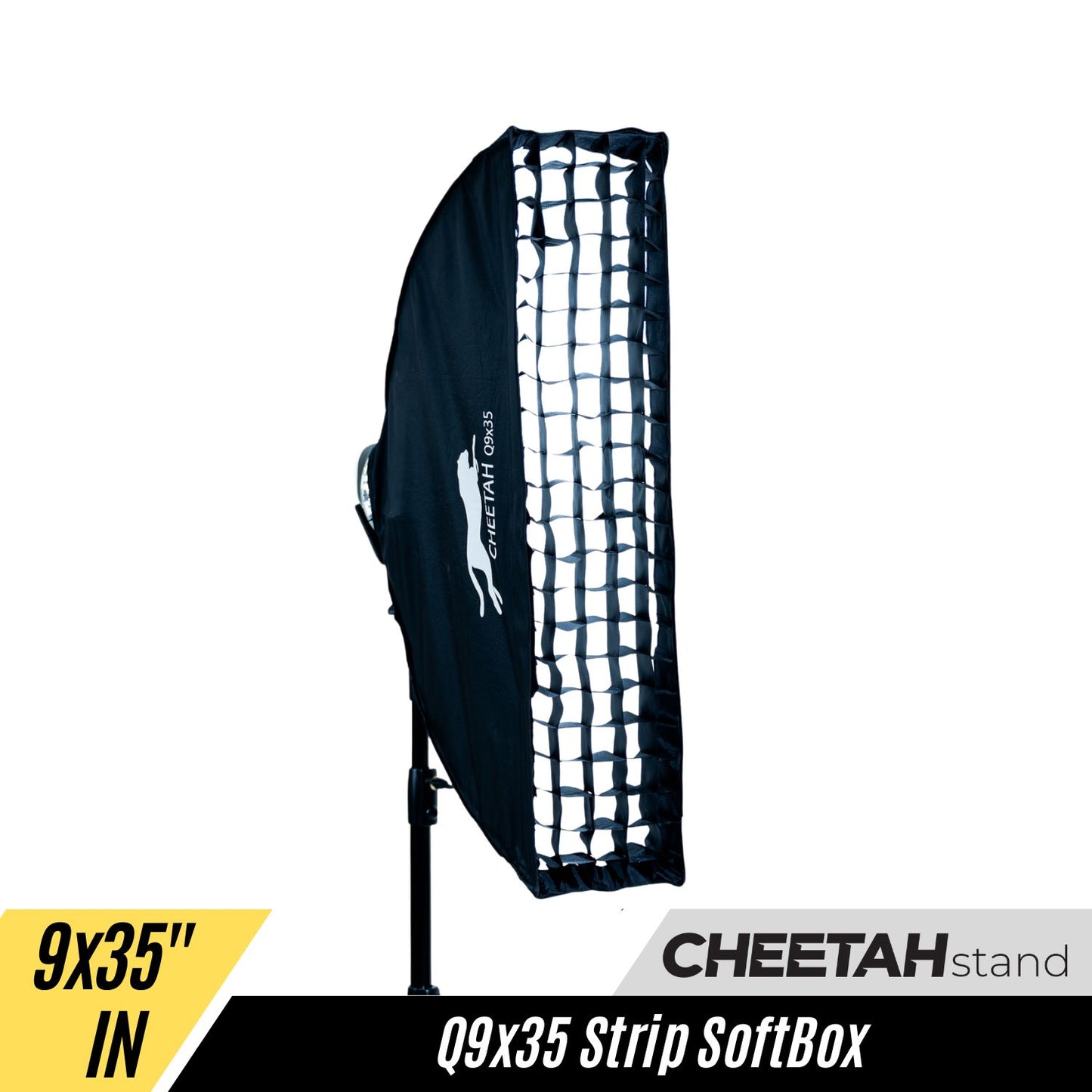
Cheetah Stand 9x35 Strip Box Softbox

Cheetah Stand 9x35 Strip Box Softbox

Prix habituel $149.00 USD
Prix habituel $139.00 USD Prix promotionnel $149.00 USD
Promotion Épuisé

The Cheetah Stand 9x35 Strip Box SoftBox is ideal size when space is an issue but still provide even highlights. The innovative Quick Release System is designed for speedy setup and breakdowns and will open like a traditional umbrella.

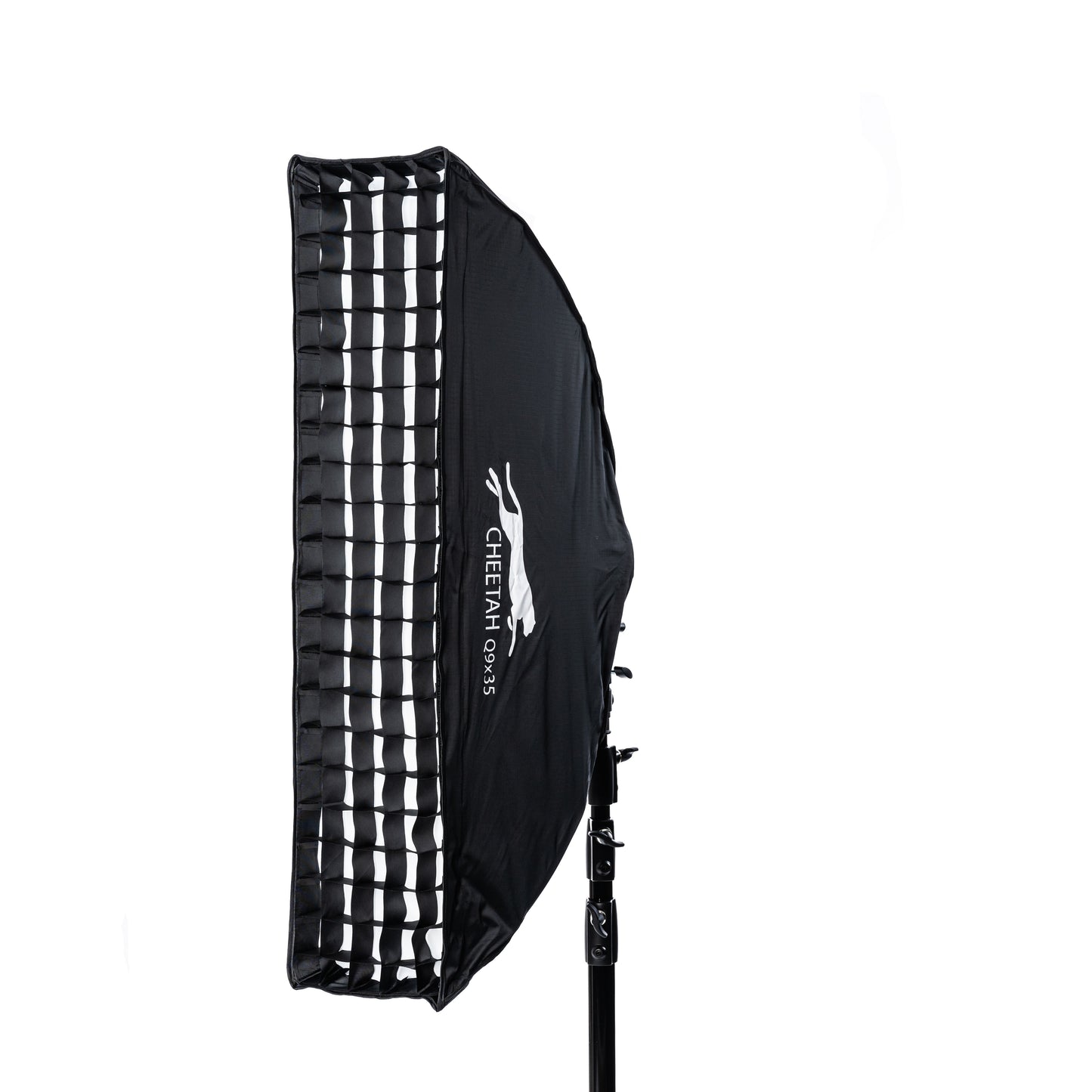
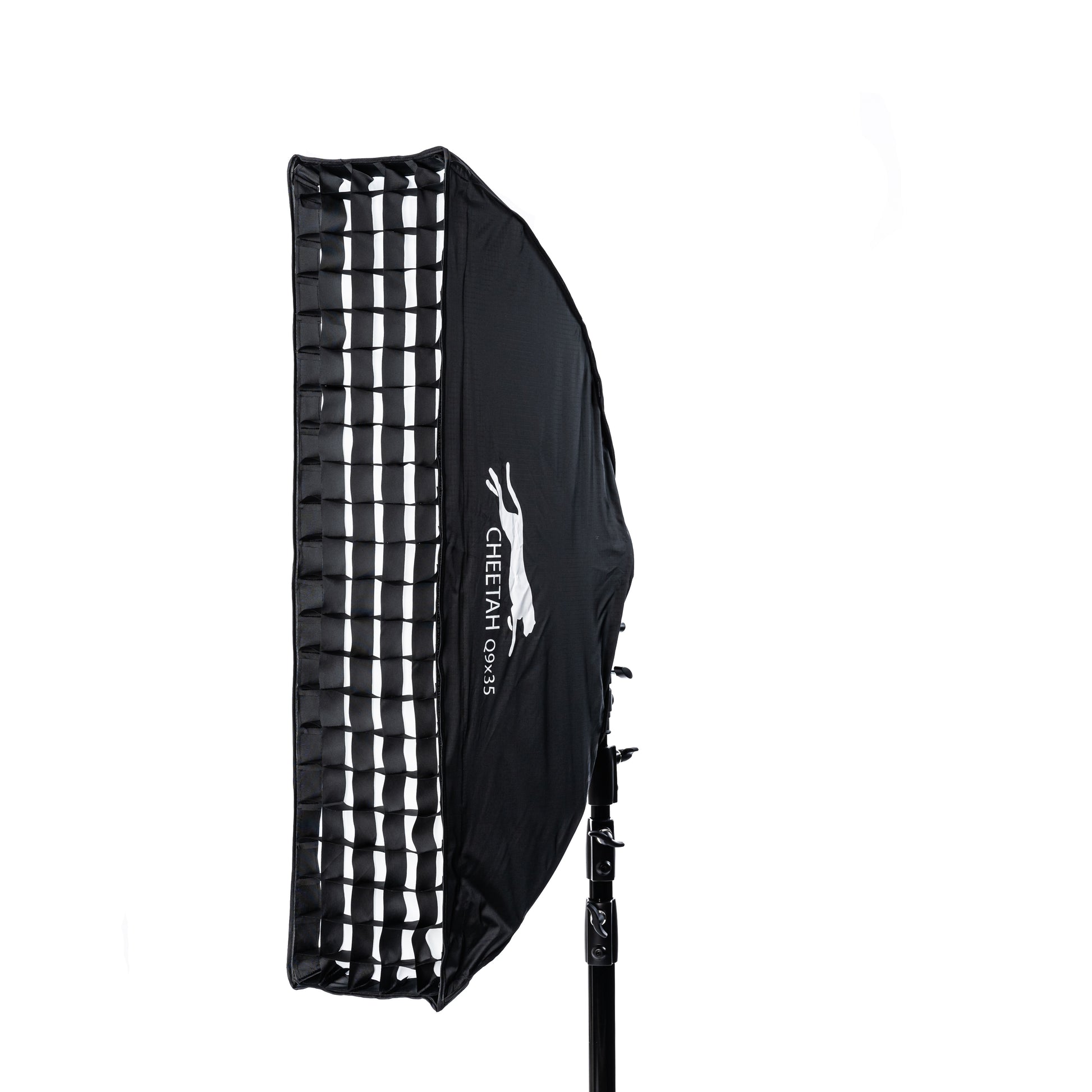
The exterior is a resilient and flexible material that is durable to tear and water. The Cheetah 9x35 Strip Soft Box comes equipped with 2 layers of diffusion and an egg-crate grid measuring 2in x 2in x 2in to reduce light spill.

Key Features of the Cheetah Stand 9x35 Strip Box Softbox

  • Innovative Quick Release Setup: The Cheetah Stand 9x35 Strip Softbox uses an Umbrella Style deployment system.
  • Egg-Crate Grid: Cheetah Stand 9x35 Strip Softbox includes the Egg-crate grids for minimum light spread.
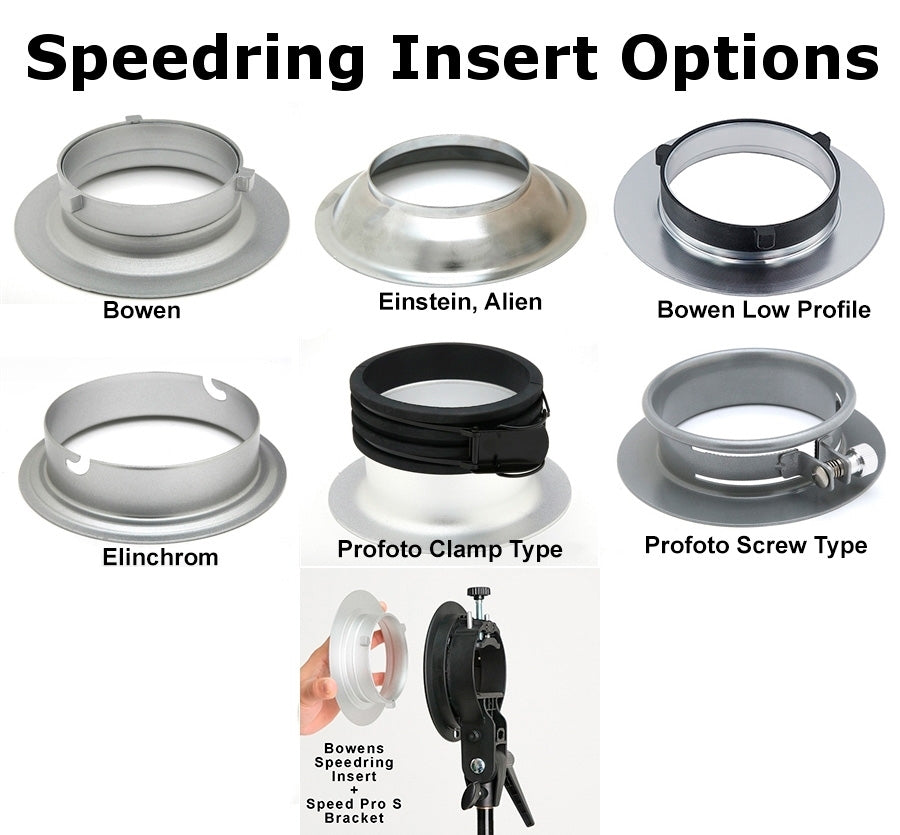
  • Speed Rings: Swappable Speed Rings to increase compatibility with many of the industry strobes from Godox to Profoto.

Dimensions:

Weight with accessories attached: 1.16 lb
Weight with bag: 2.35 lb
Length (when expanded): 35 in
Width (when expanded): 8.5 in
Depth (when expanded): 20 in
Folded length: 24 in
Folded width: 7 in

Includes:

1 Cheetah Stand 9x35 Strip Softbox
1 Carrying bag
1 Front diffuser
1 Inner diffuser
1 Eggcrate Grid

Frequently Asked Questions

Cheetah Stand 9x35 Strip Softboxes Frequently Asked Questions
1. What is a strip softbox and why does it benefit so many photographers?
A strip softbox is a uniquely elongated light modifier, crafted to produce a long, narrow, and incredibly even beam of light. It's a game-changer in softbox photography because it allows for precision lighting, unlike the broader spread of other modifiers. This focused light is perfect for shaping light, adding drama, and achieving a professional, polished look in your photos, especially when you need to define edges or create separation.
2. How does the unique shape of a strip softbox influence the light it produces compared to other softbox shapes?
The distinct rectangular shape of a strip softbox is what sets its light quality apart. While square or octagonal softboxes are excellent for general, wide illumination, a strip softbox creates a column of light. This translates to very specific lighting effects, such as dramatic edge lighting, subtle light gradients across a background, or a precise highlight on a subject. It’s truly a specialized softbox for light sculpting, giving you control that wider modifiers simply can't match.
3. In portraiture, what are the creative possibilities unlocked by using a strip softbox?
For portrait photographers, a strip softbox is an incredibly versatile tool that opens up a range of creative possibilities. It's ideal for crafting stunning rim lighting, which beautifully separates your subject from the background and adds a sense of depth. It's also perfect for hair lights, providing a subtle sheen that enhances texture and detail. When placed vertically, it can create an elegant, elongated catchlight in the eyes, adding a spark of life to your portraits. Placed horizontally, it’s perfect for a shoulder light or product photography. Its ability to create a narrow, controlled beam makes it indispensable for sculpting the face and emphasizing contours in your softbox photography.
4. Can strip softboxes be effectively used for commercial and product photography, and if so, what are the advantages?
Absolutely! Strip softboxes are highly valuable in commercial and product photography, particularly for subjects with long or reflective surfaces. Their ability to create long, uniform reflections is a significant advantage, enhancing the perceived quality and sleekness of products like bottles, jewelry, or electronics. By strategically positioning a strip softbox along the length of an item, you can achieve exquisite highlights that define its form and texture. This precise light shaping capability makes it an ideal softbox for lighting even the most challenging products to showcase their best features.
5. What is a fabric grid, and how does it enhance the control and precision of a strip softbox?
A fabric grid, often called a honeycomb grid, is an accessory that attaches to the front of a softbox. It's composed of numerous small, open cells that effectively narrow the beam of light, making it more directional and preventing unwanted light spill. For a photography softbox, especially a strip softbox, a grid is crucial for achieving precise lighting. It allows you to direct light exactly where you want it, minimizing light fall-off on backgrounds or other elements in your scene, and creating a more focused and dramatic effect.
6. What are the key considerations for optimally positioning a strip softbox to achieve desired lighting effects?
Achieving optimal results with a strip softbox hinges on thoughtful positioning, which varies based on your desired effect. For dramatic rim lighting, place it behind and slightly to the side of your subject. As a hair light, position it above and behind the subject. For full-body portraits, placing it vertically alongside your subject can create beautiful, even illumination. Experimentation is paramount in softbox photography; observe the interplay of shadows and highlights, and adjust the distance and angle from your subject until you achieve your vision.
7. How do I select the appropriate size of a strip softbox for different photographic applications?
Strip softboxes are available in a range of lengths and widths, and choosing the right size is crucial for your specific application and working space. Longer strip softboxes are generally preferred for full-body shots or for creating continuous, extended highlights on products. Shorter ones are more suitable for headshots, waist-up portraits, or in confined spaces. When selecting your photography softbox, consider the scale of your subject and the desired spread of light. A larger softbox will typically produce softer light over a wider area, while a smaller one will offer more concentrated illumination.
8. Can a strip softbox be seamlessly integrated with both continuous light sources and studio strobes?
Absolutely! Strip softboxes are designed for versatile compatibility with various light sources, including both continuous lighting (such as LED panels or fluorescent lamps) and powerful strobe lighting (like studio flashes or speedlights). The connection is typically facilitated by a speedring, which links the softbox to your light. It's essential to ensure the speedring's mount (e.g., Bowens, Elinchrom) matches your specific light unit. This broad compatibility makes the strip softbox for light shaping a flexible and valuable addition to any photographer's kit, regardless of their preferred light source.
9. What is the most efficient way to set up and break down a strip softbox for on-location shooting?
Most strip softboxes are engineered for straightforward and swift assembly and disassembly, making them ideal for on-location shoots. The process generally involves inserting flexible rods into designated pockets on the softbox fabric and then securing them to a speedring. Disassembly is simply the reverse, allowing the softbox to fold neatly into a compact carrying case. While the initial setup may take a moment to master, with a bit of practice, it quickly becomes an effortless part of preparing your photography softbox gear.
10. How do the internal diffusion layers of a strip softbox impact the overall quality and softness of the light?
Strip softboxes typically feature one or two internal diffusion layers. The inner diffusion panel works to further soften and evenly disperse the light before it reaches the primary outer diffusion panel. This outer panel is the final surface the light passes through before illuminating your subject. Using both diffusion layers provides the most diffused and flattering light. However, you have the option to remove one or both layers if you desire a slightly crisper or more specular quality of light, offering greater control over your softbox photography.
11. Are there specific strategies for using a strip softbox to achieve either dramatic or high-key lighting effects?
For dramatic lighting, pair your strip softbox with a grid and position it relatively close to your subject, perhaps at a steep angle or as a powerful rim light, to create stark contrasts and deep shadows. For high-key lighting, a single strip softbox won't suffice; you'll need multiple light sources. While a strip softbox can serve as a key light, you'll likely need additional modifiers (e.g., other softboxes, reflectors) to eliminate shadows and create an evenly illuminated, bright scene. Its precise light output makes it a versatile softbox for lighting in a variety of challenging scenarios.
12. What role does the interior color (silver vs. white) of a strip softbox play in shaping the quality of light?
The internal lining of a softbox significantly influences the light it produces. A silver interior is highly reflective, yielding a more intense, contrasty light with greater "punch." Conversely, a white interior is less reflective, resulting in a softer, more diffused, and even light. Most standard strip softboxes aiming for maximum output will feature a silver lining. However, some specialized photography softbox models may offer a white interior for those seeking an exceptionally subtle and delicate light quality.
13. What considerations are crucial when deploying a strip softbox for outdoor photography sessions?
While a strip softbox can certainly be used outdoors, wind is a significant adversary due to its large surface area. You'll need robust light stands, ample sandbags, or an assistant to meticulously secure the light and prevent it from toppling. Additionally, always factor in the ambient light conditions. On bright, sunny days, a powerful strobe might be necessary to effectively overpower the sun and ensure your softbox serves as the dominant light source for your softbox photography.
14. What are some common pitfalls to avoid when working with a strip softbox to ensure optimal results?
A frequent mistake is neglecting to use a grid when precise light control is needed, leading to unwanted light spill. Another is positioning the softbox too far from your subject, which diminishes the desired softness of the light. Failing to consider the softbox's size in relation to your subject can also result in uneven illumination. Lastly, neglecting to properly secure your light stand and softbox, especially in outdoor environments, poses a significant risk of equipment damage. Paying close attention to these details will greatly enhance your photography softbox experience.
15. Can you share some advanced techniques for pushing the creative boundaries with a strip softbox?
Beyond basic rim and hair lighting, consider using two strip softboxes in a "clamshell" arrangement for unique portraits, or as precise side lights for intricate product photography. You can also leverage a strip softbox to create dramatic background spotlights or to sculpt your subject with a "V-shape" light by positioning two softboxes at opposing angles. The inherent versatility of this softbox for light allows for endless creative experimentation once you've mastered its foundational uses.
Afficher tous les détails